Building a Smart Home That Actually Protects You
A smart home is only as good as the devices you choose. Cameras watch the perimeter, sensors catch the problems you cannot see, and a reliable network keeps everything talking to each other. This guide walks through the main categories of Tapo smart home gear so you can plan a setup that fits your home, your habits, and your budget.
1. Cameras and Doorbells: Your First Line of Defense
Start with the areas that matter most: entry points, driveways, and any spot where you want a clear view day or night.
Indoor cameras
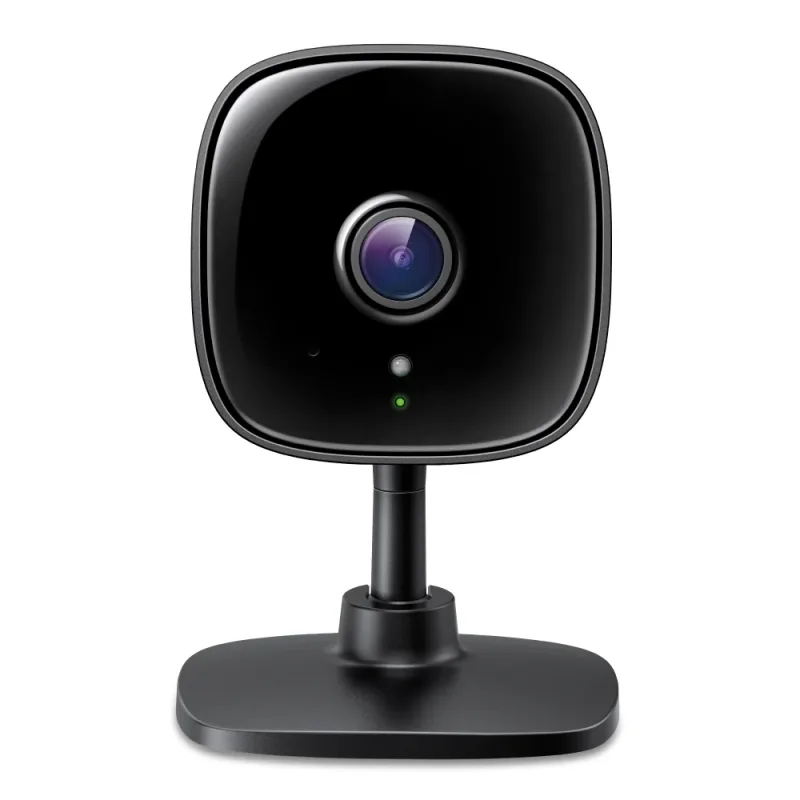
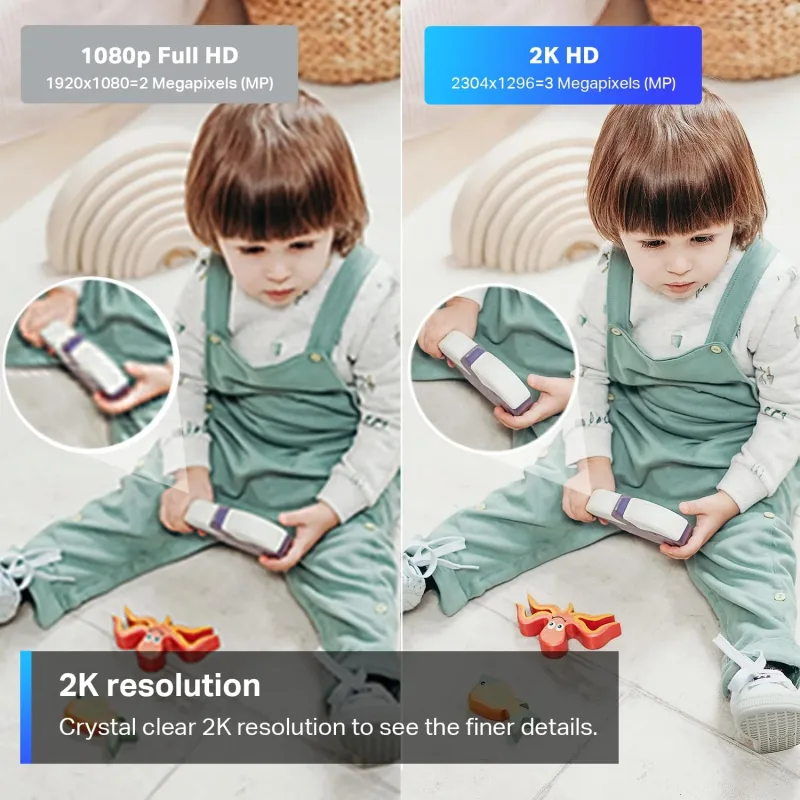
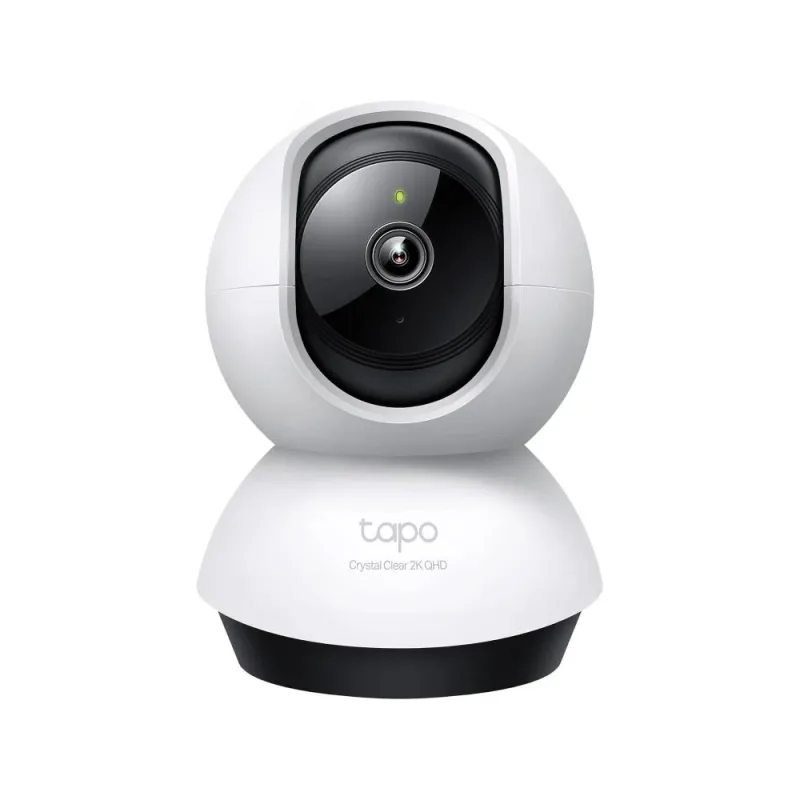
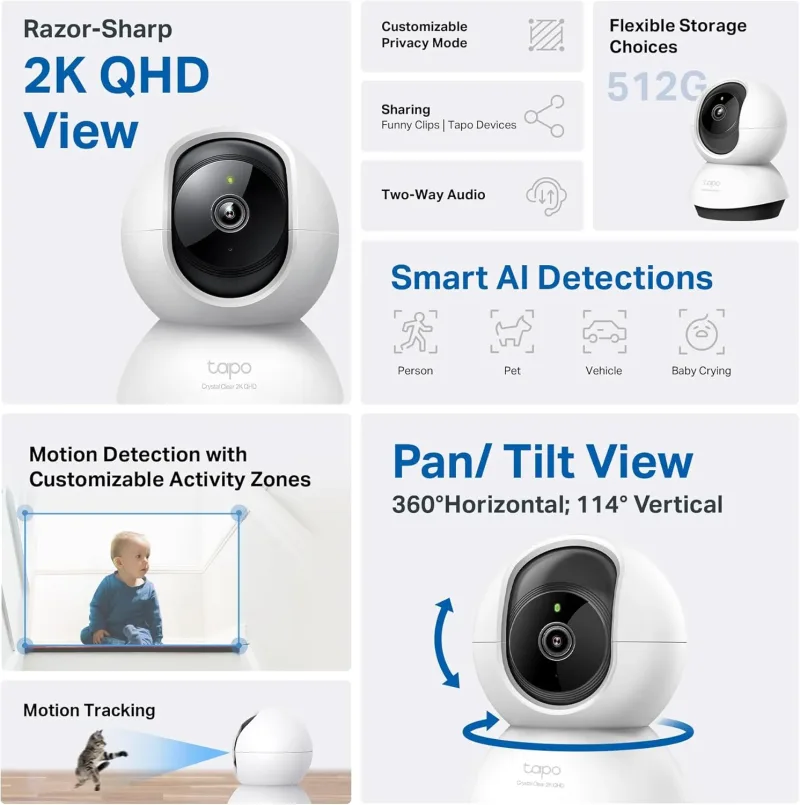
Indoor cameras are the easiest place to begin. A compact model like the 2K Indoor Security Camera Black – Tapo C111 gives you sharp 2K footage in a small footprint, while pan and tilt models such as the Pan/Tilt 2K QHD Indoor Security Camera, Tapo C220 rotate to cover an entire room instead of a single angle. If you want coverage across several rooms at once, a multi-pack is often the smarter buy.
Outdoor cameras
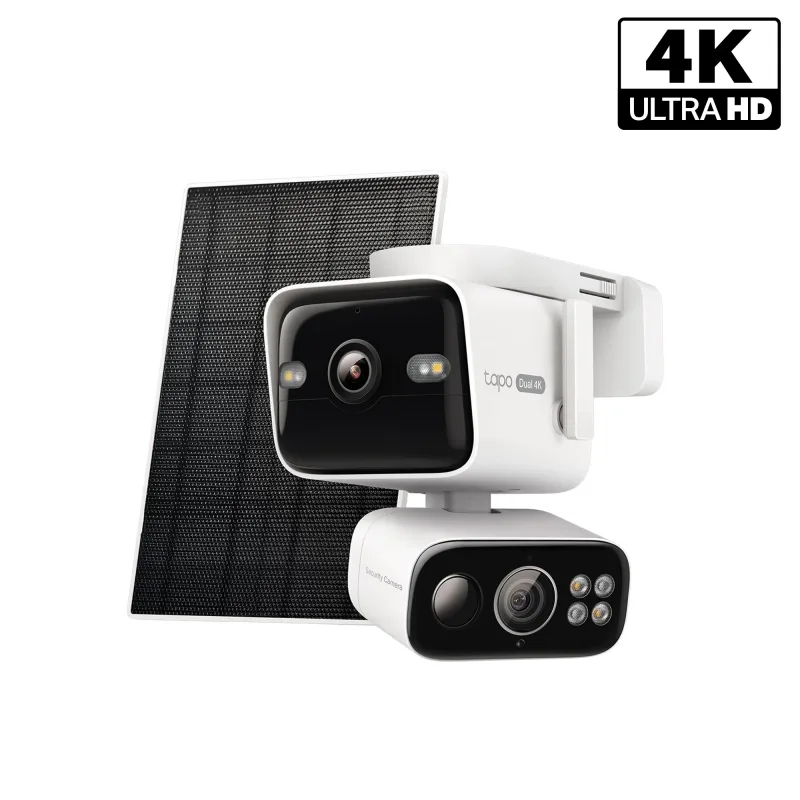
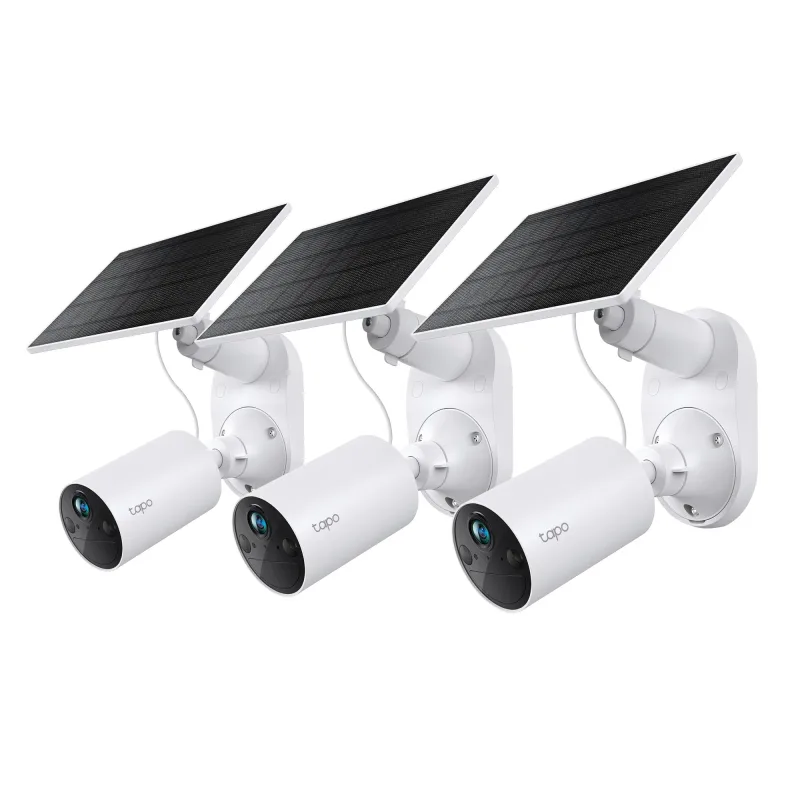
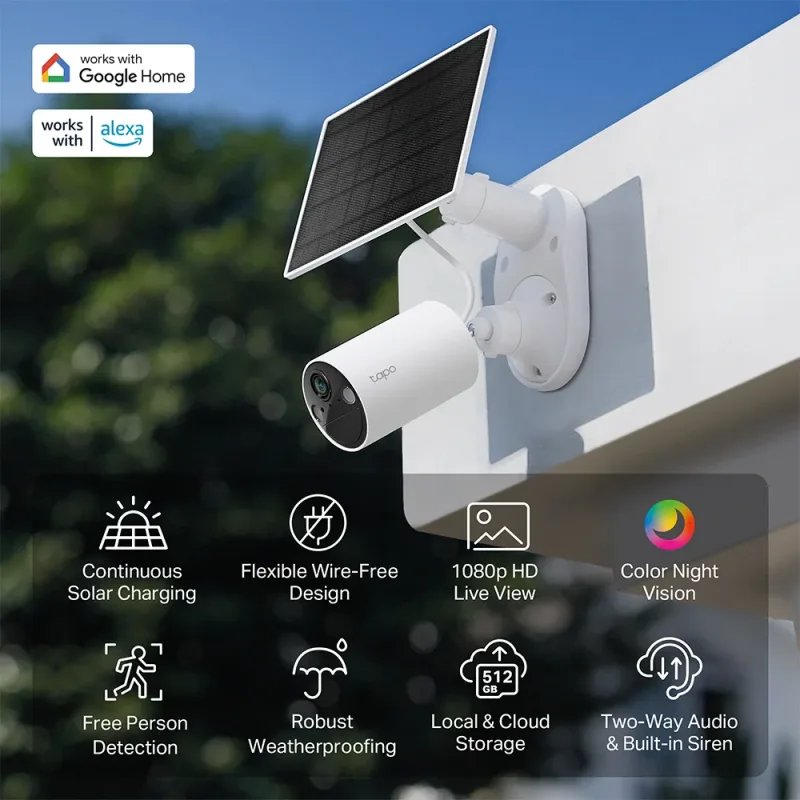
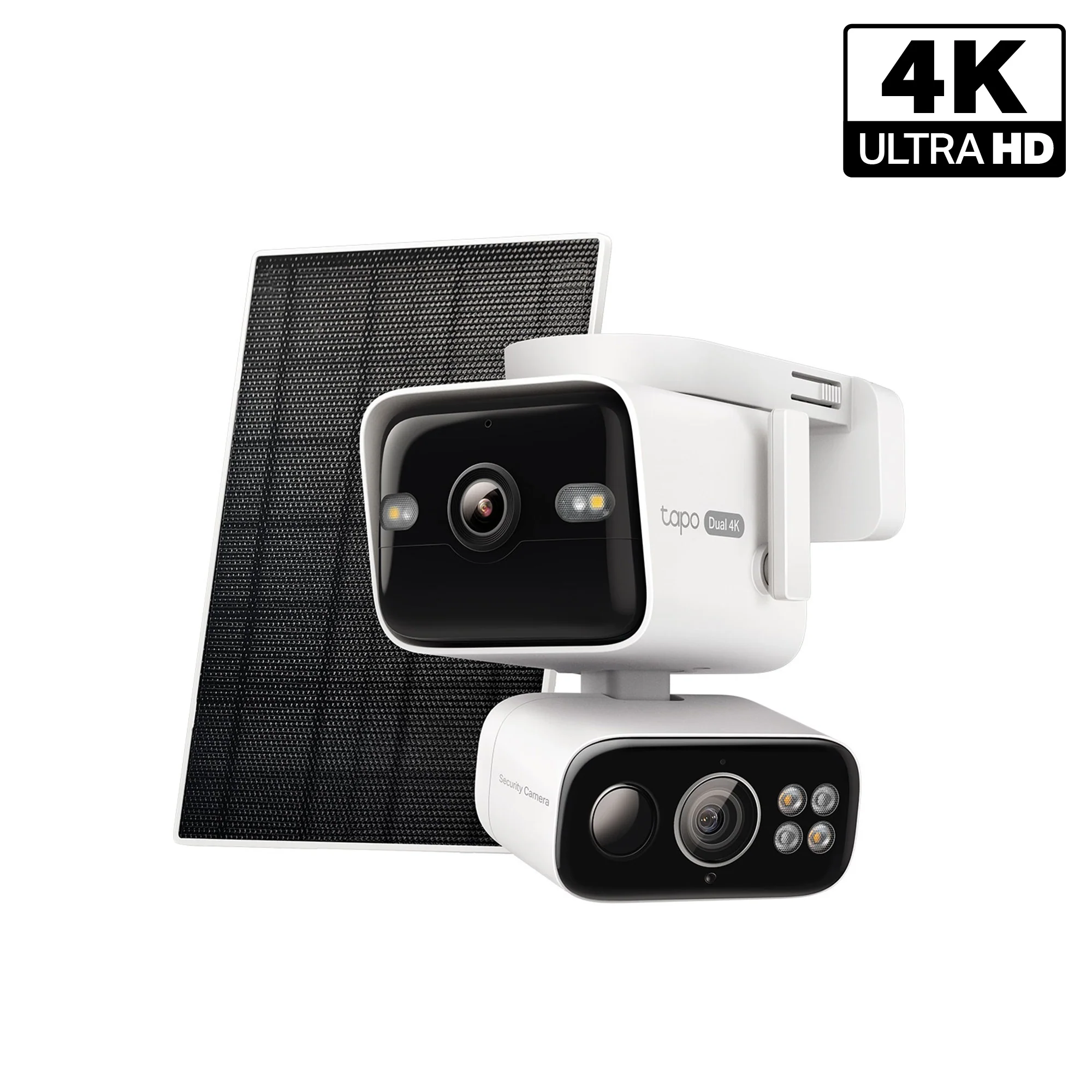
Outdoors, weather resistance and power source matter most. Solar-powered cameras avoid wiring entirely — the 4K Dual-Lens Solar Pan/Tilt Security Camera, Tapo C675D Kit pairs a solar panel with dual lenses for wide, detailed coverage. For a simpler 1080P option, the SolarCam 1080P Wireless Outdoor Security Camera with Solar Panel, Tapo C402 Kit 3-Pack covers multiple sides of a house without running cables.
Video doorbells
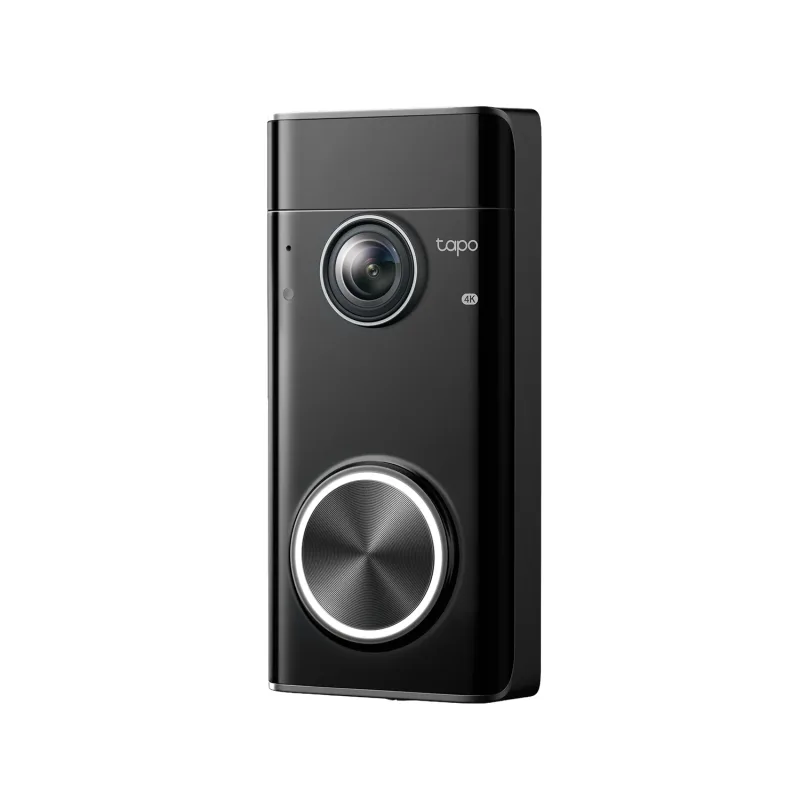
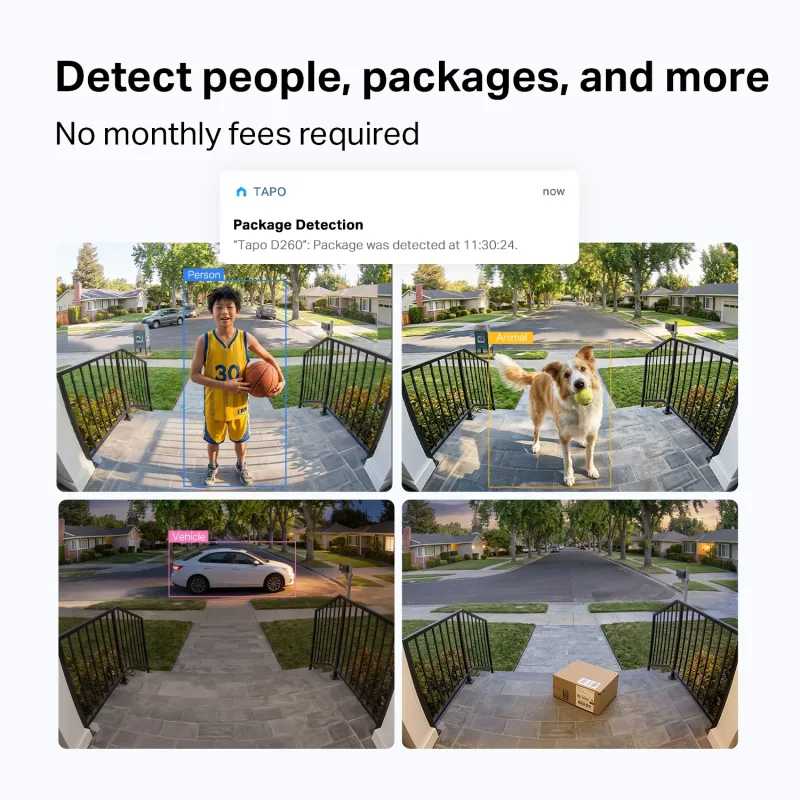
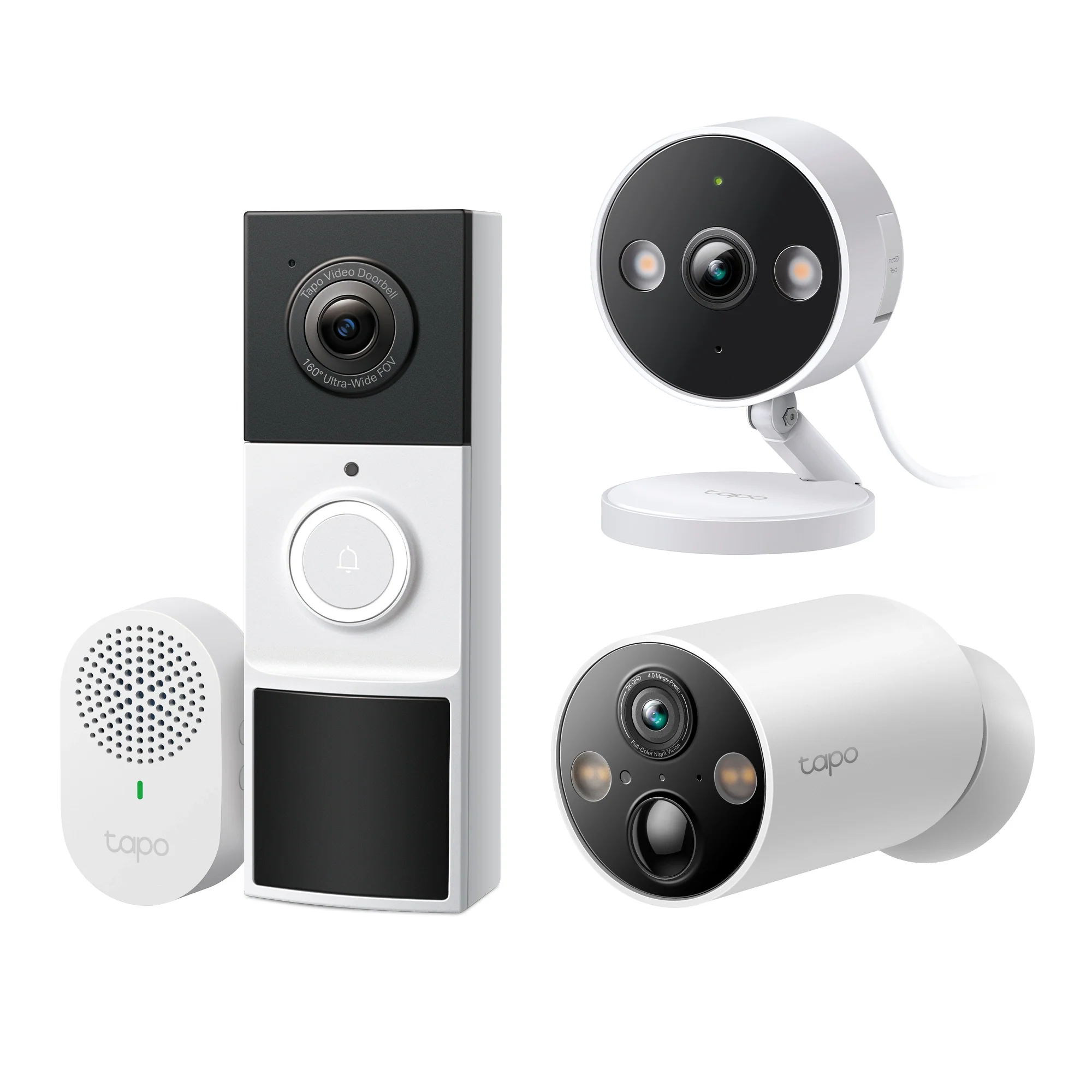
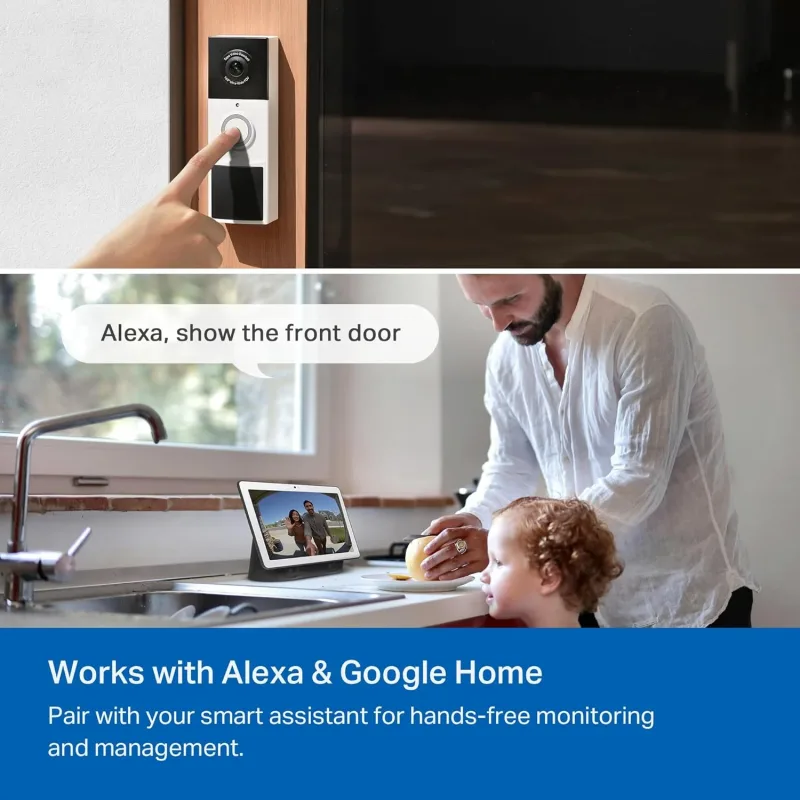
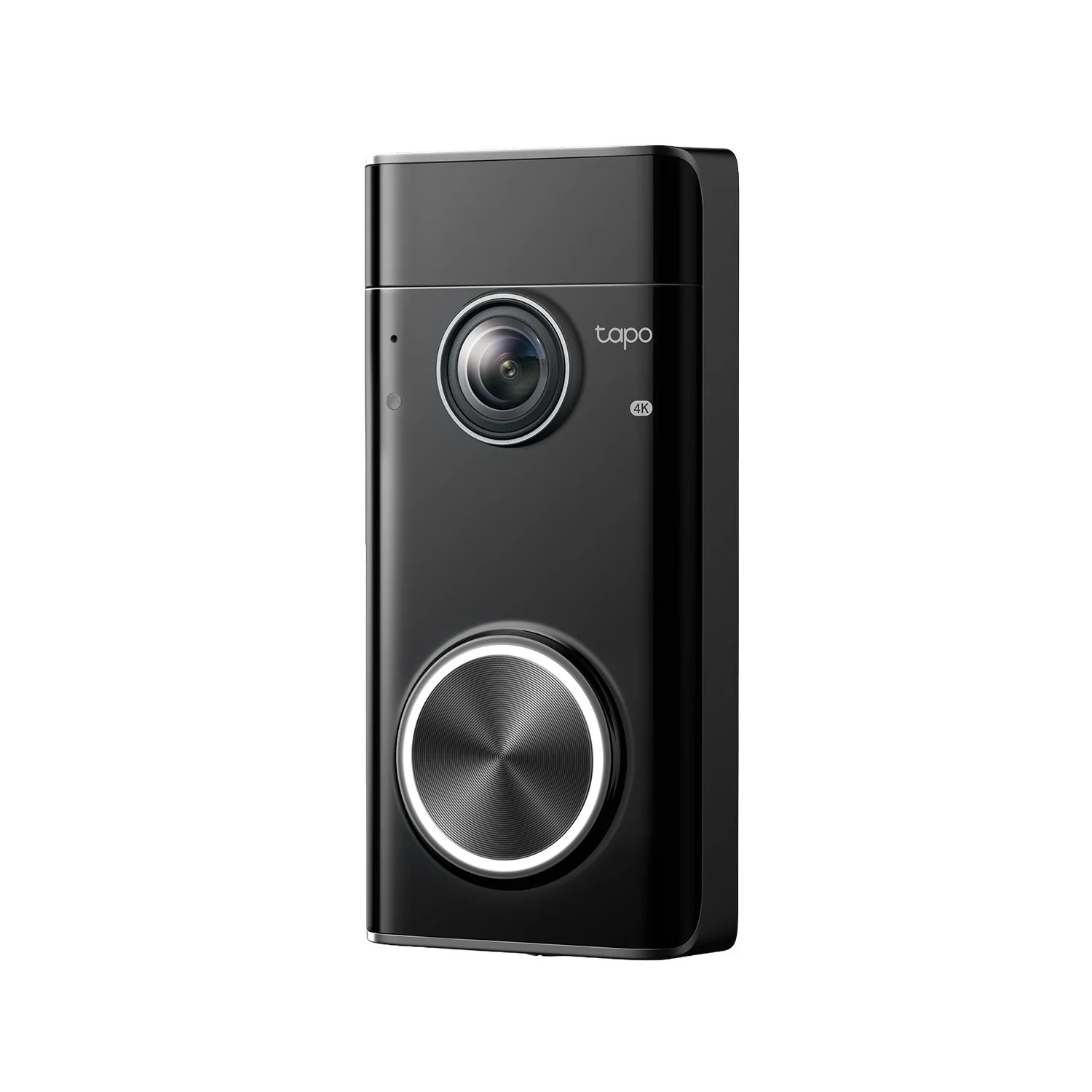
A doorbell camera shows you who is at the door before you open it. The Doorbell Pro, 4K Video with Radar Detection Wired/Battery Powered, Tapo D260 offers 4K video and radar-based detection, and can run wired or on battery depending on your entryway.
2. Sensors: The Quiet Protectors
Cameras show you what happened; sensors warn you before damage occurs. Most Tapo sensors are small, inexpensive, and require a hub to connect.
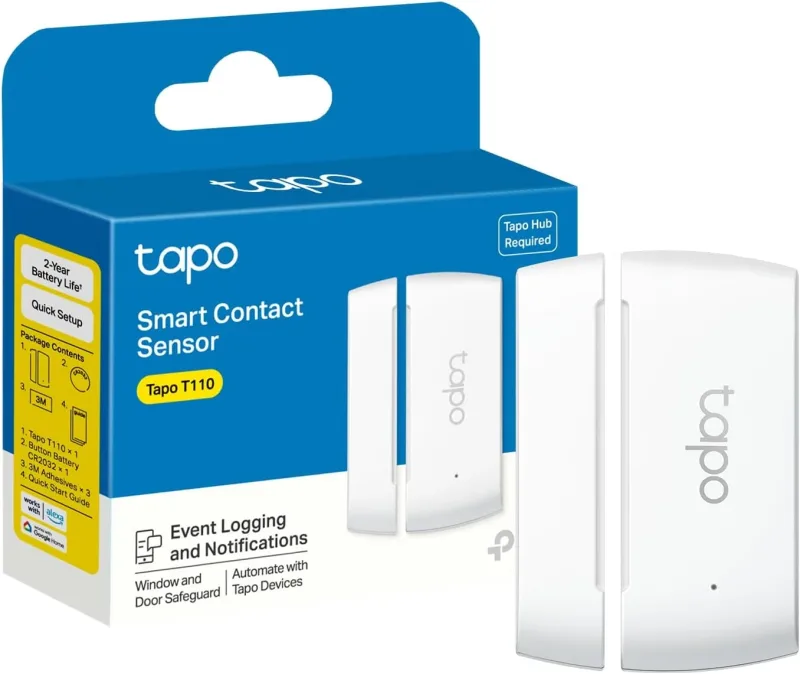
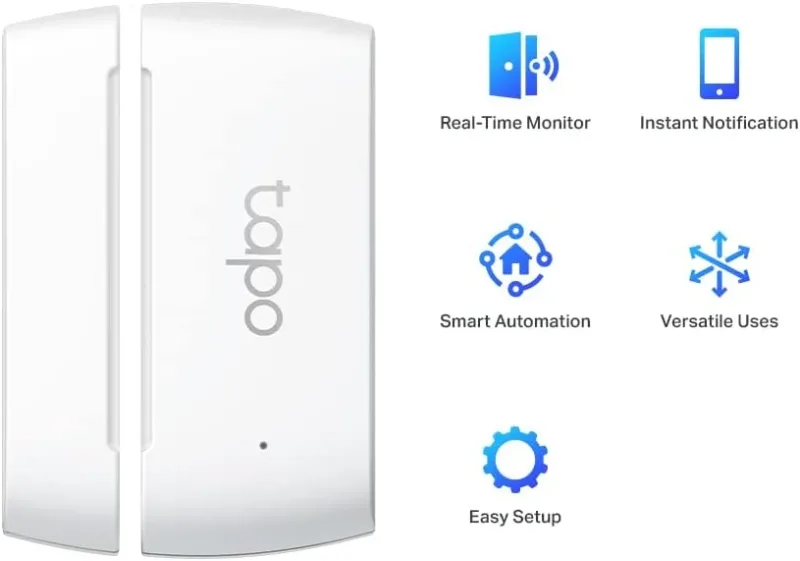
- Door and window sensors — the Door Sensor Mini, Hub Required, Tapo T110 alerts you the moment an entry point opens.
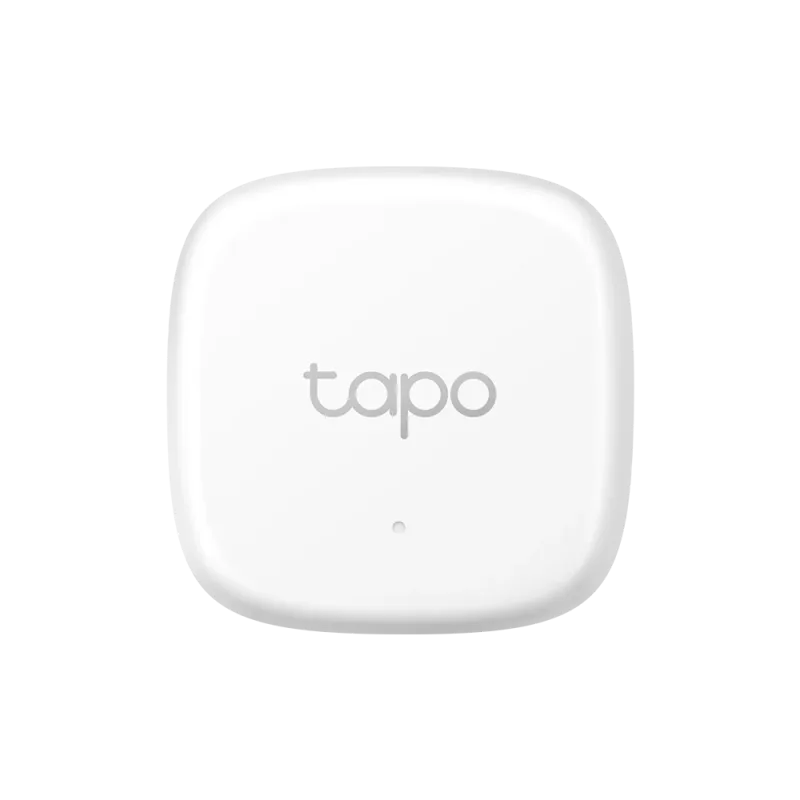
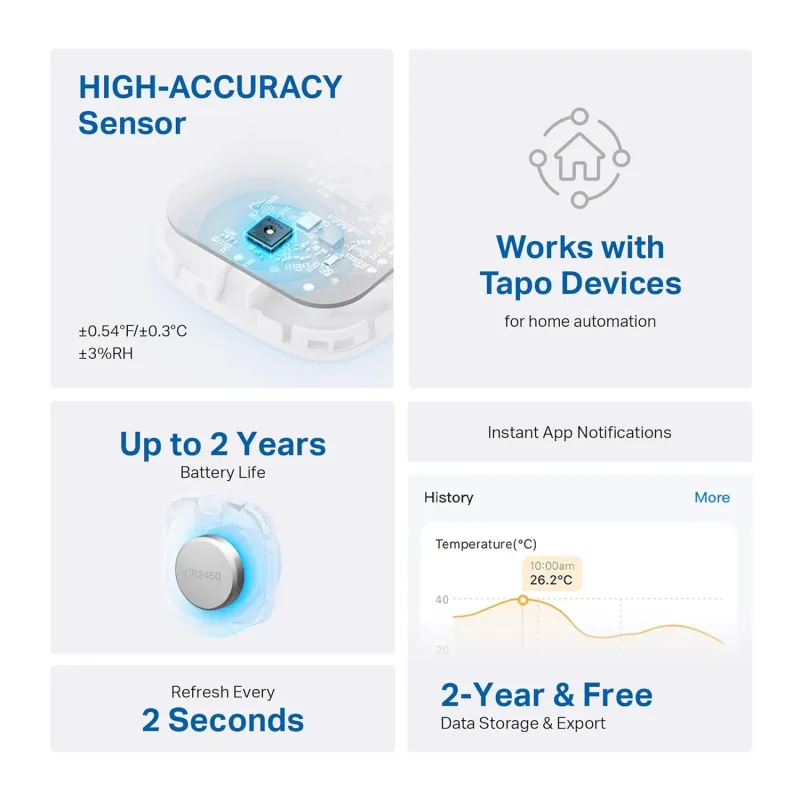
- Temperature and humidity sensors — the Smart Temperature & Humidity Sensor, Hub Required, Tapo T310 helps you catch conditions that can lead to mould, frozen pipes, or discomfort.
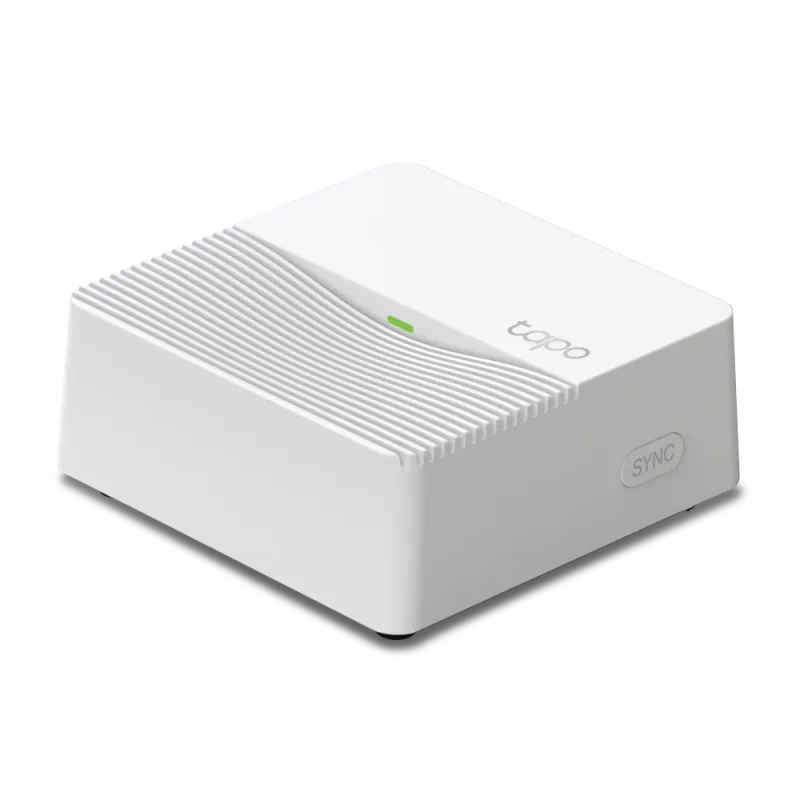
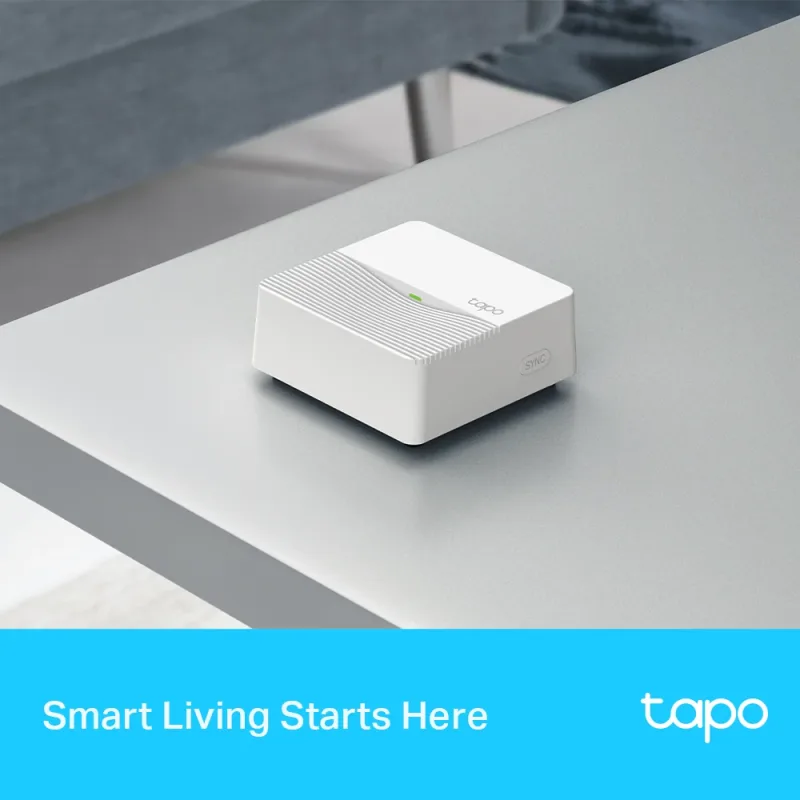
- The hub itself — the Smart Hub with Smart Alarm & Chime, Tapo H200 connects sensors, triggers alarms, and acts as the brain of a sensor-based setup.
Plan your sensor list before buying: one hub can support many sensors, so it is usually cheaper to add sensors than to add hubs.
3. Locks, Bundles, and Entry Control
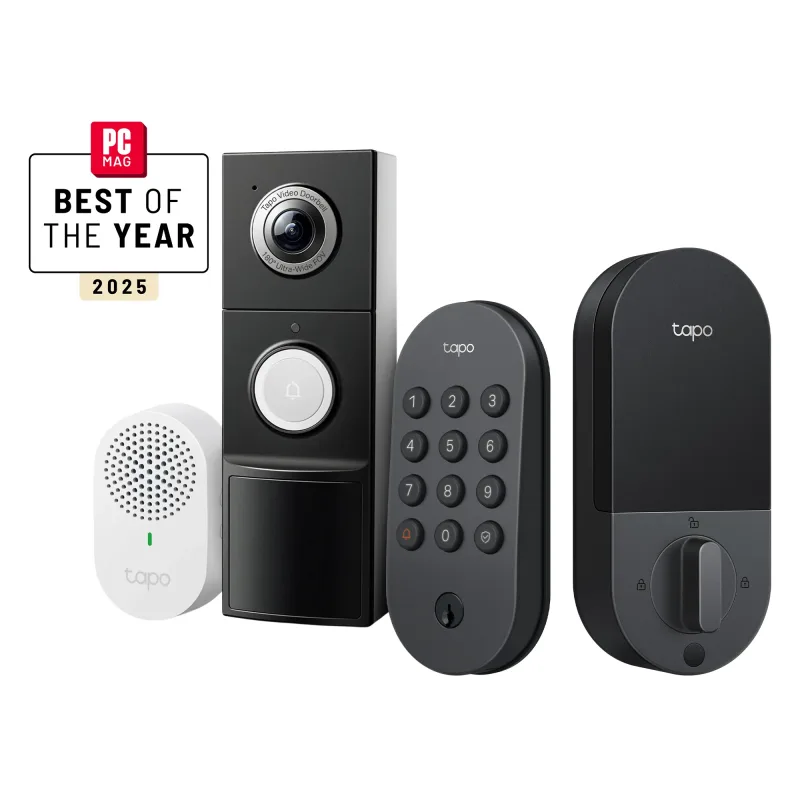
Smart locks remove the key from the equation. Bundles are a practical way to upgrade an entry point in one purchase — for example, the Front Door Security Bundle – 2K Video Doorbell Camera + Keyless Door Lock combines a doorbell camera with keyless entry. If you rent or prefer not to drill, the Tapo No-Drill Home Security Bundle is designed for installation without permanent damage.
4. Lighting, Plugs, and Robot Vacuums
Smart lighting makes a home feel occupied even when it is not, and it is one of the simplest upgrades to install. Matter-certified switches work across ecosystems, and smart bulbs need no wiring at all.
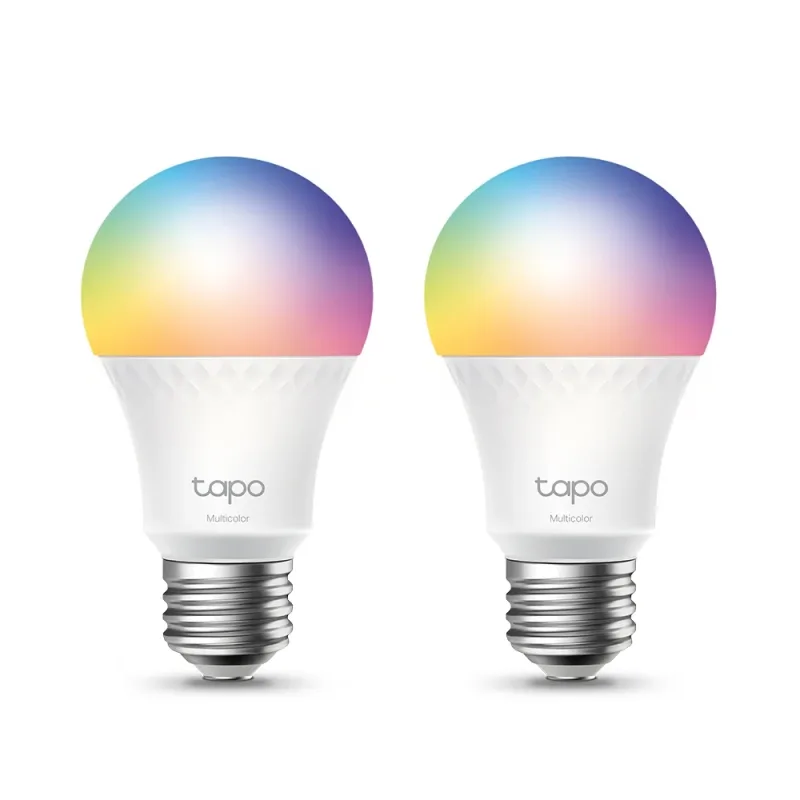
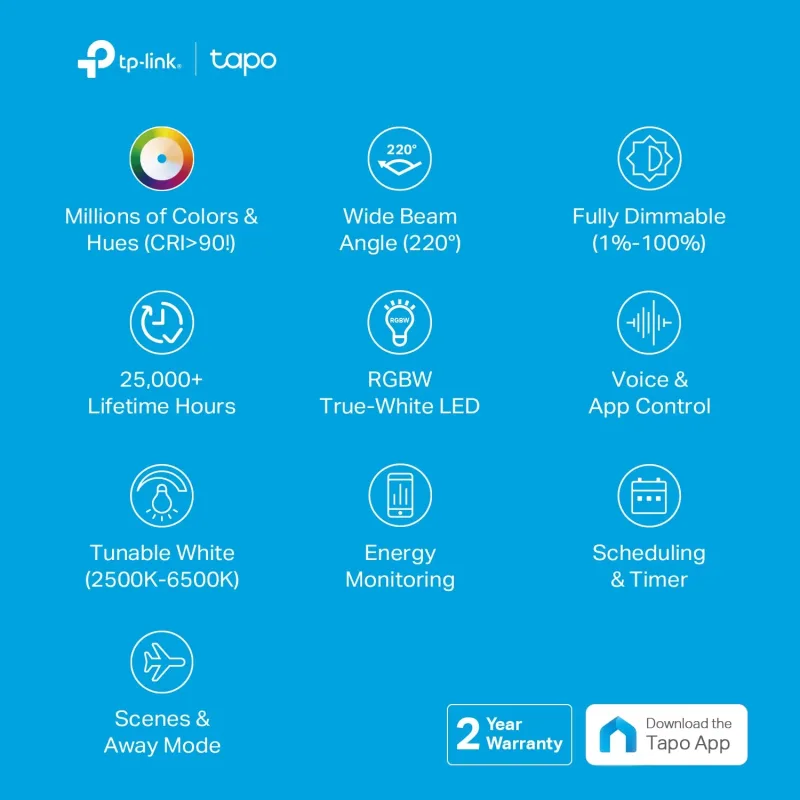
- Dimmable RGBW Smart Light Bulbs, Tapo L530E (2-Pack) — colour and dimming control from your phone.
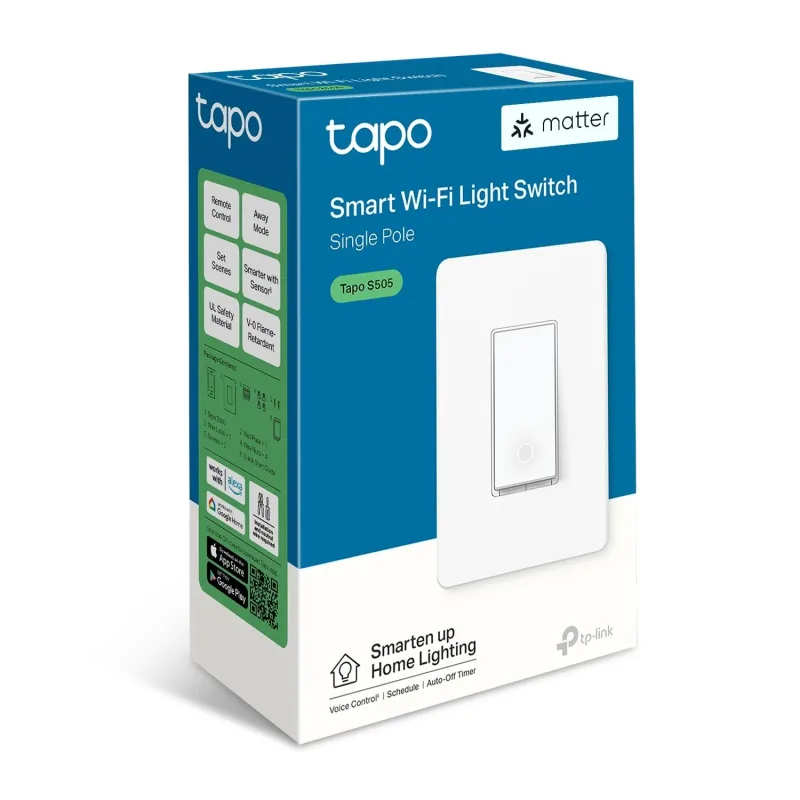
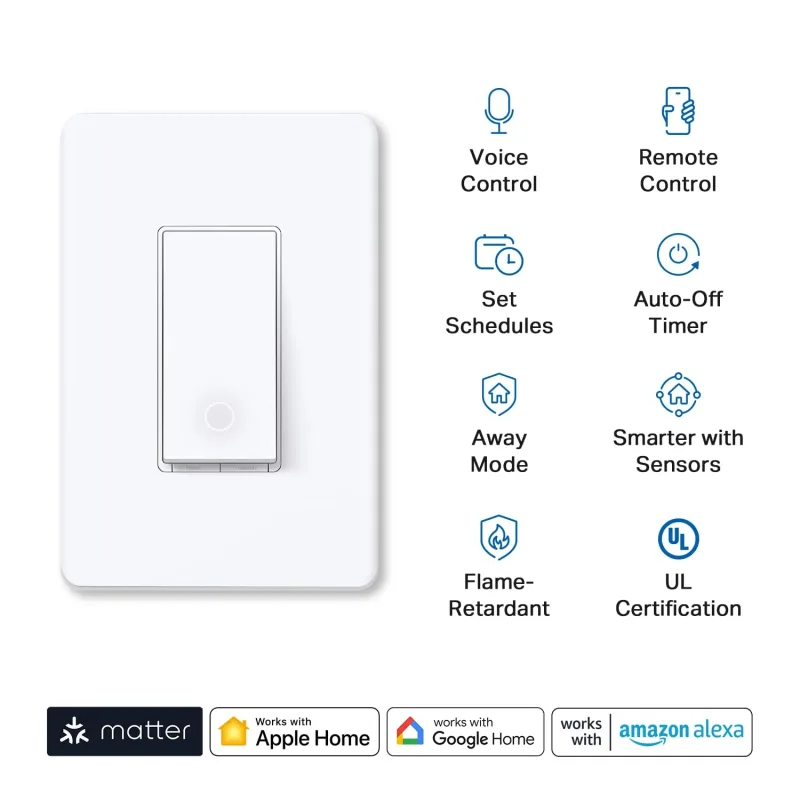
- Matter-Certified Single Pole Smart Light Switch White, Tapo S505 — a straightforward wall-switch upgrade.
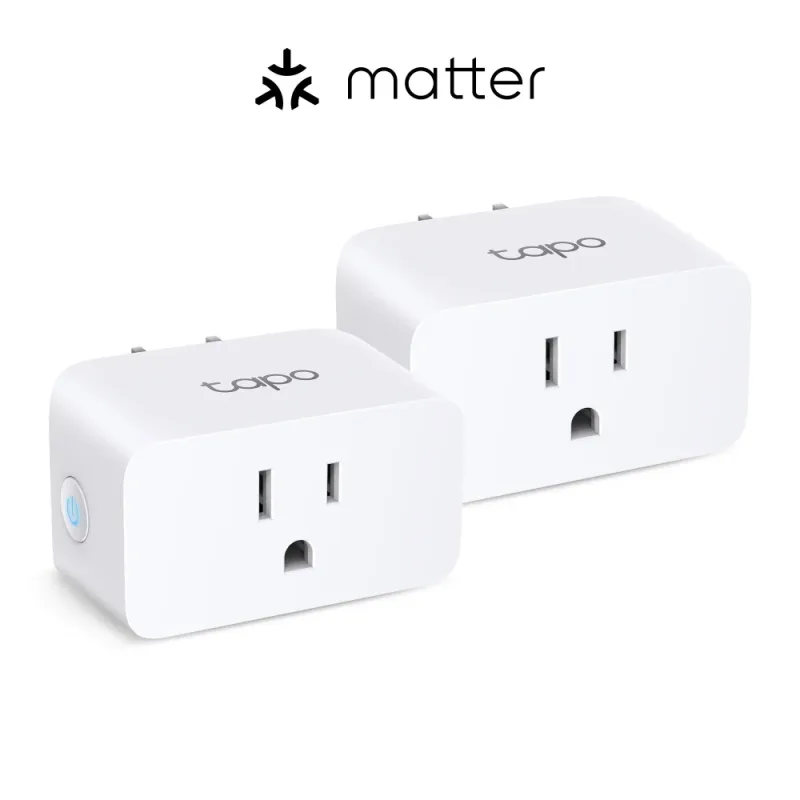
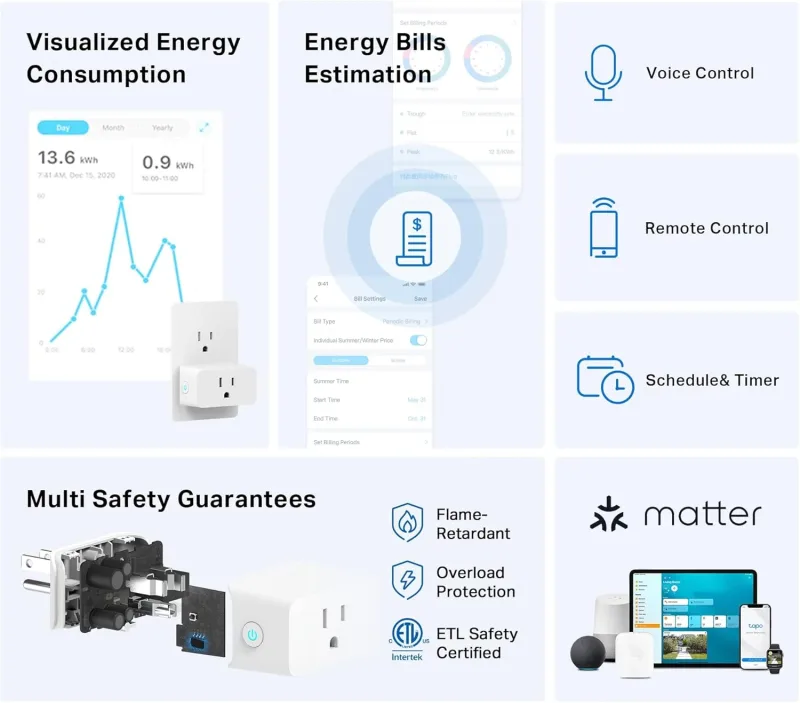
- Matter-Certified Energy Monitoring Smart Plug Mini, Tapo P110M (2-Pack) — track what your appliances actually consume.
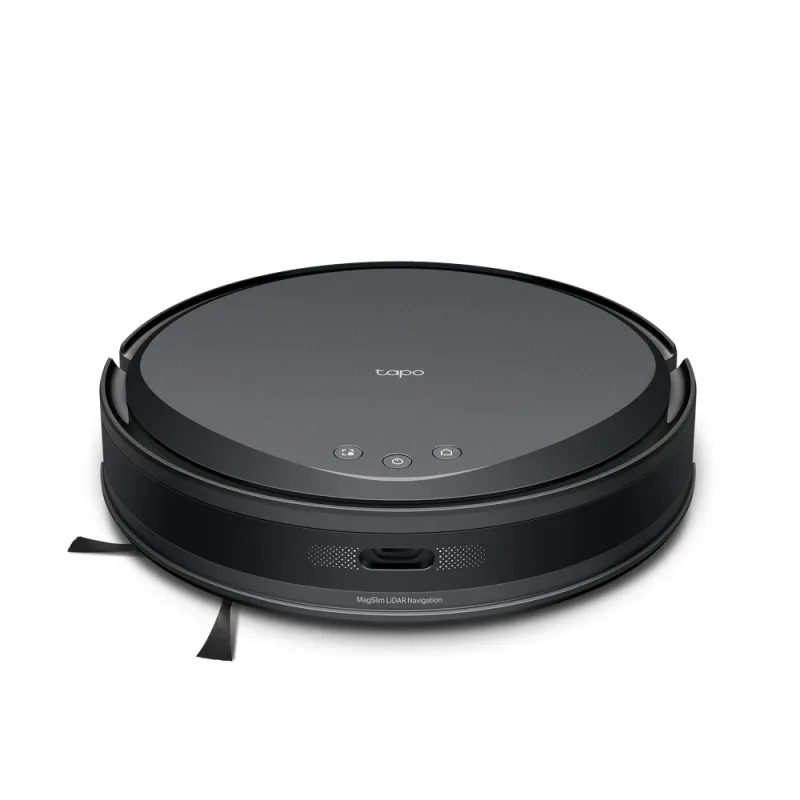
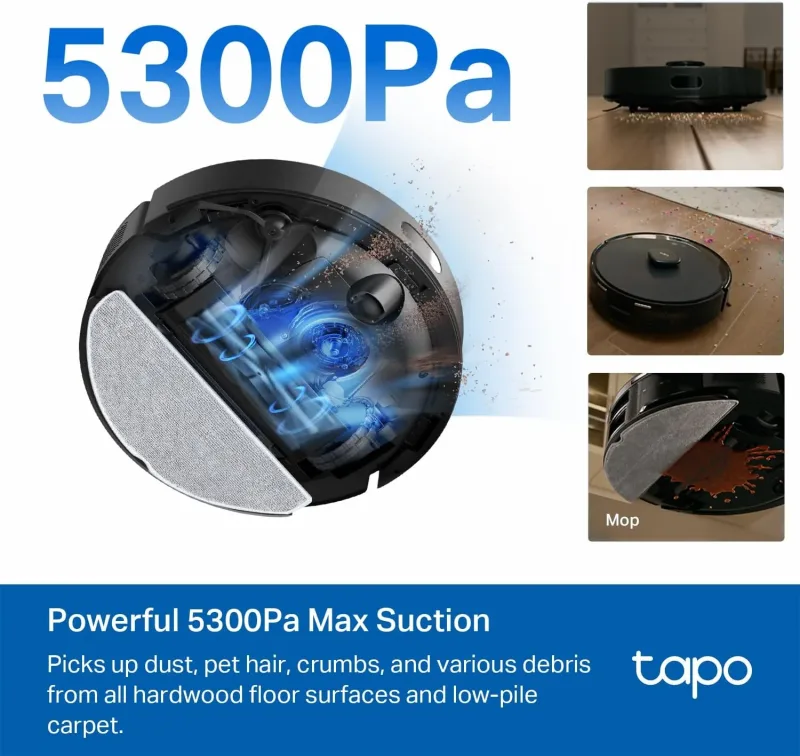
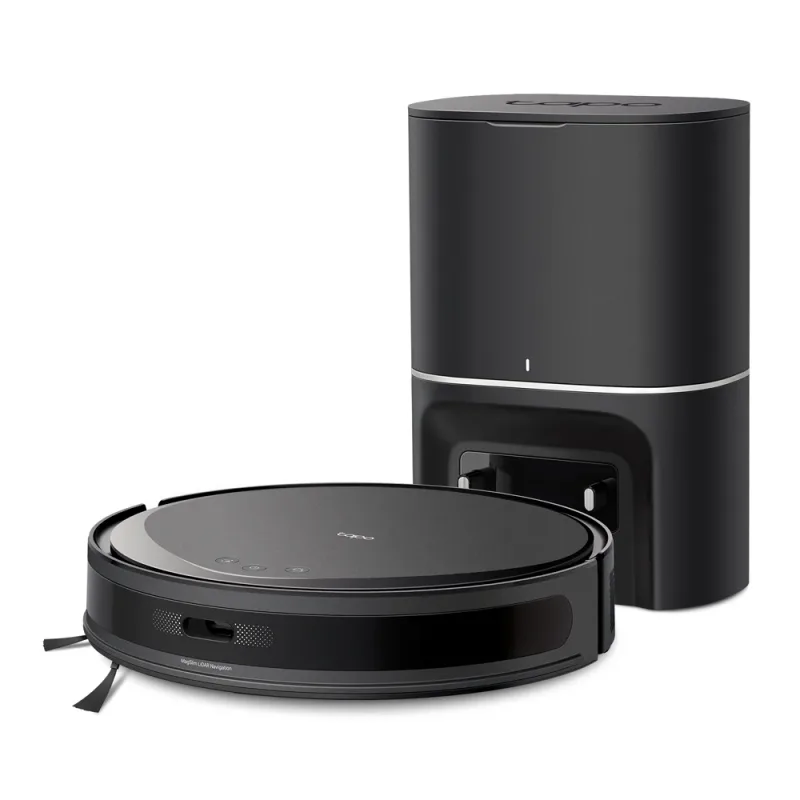
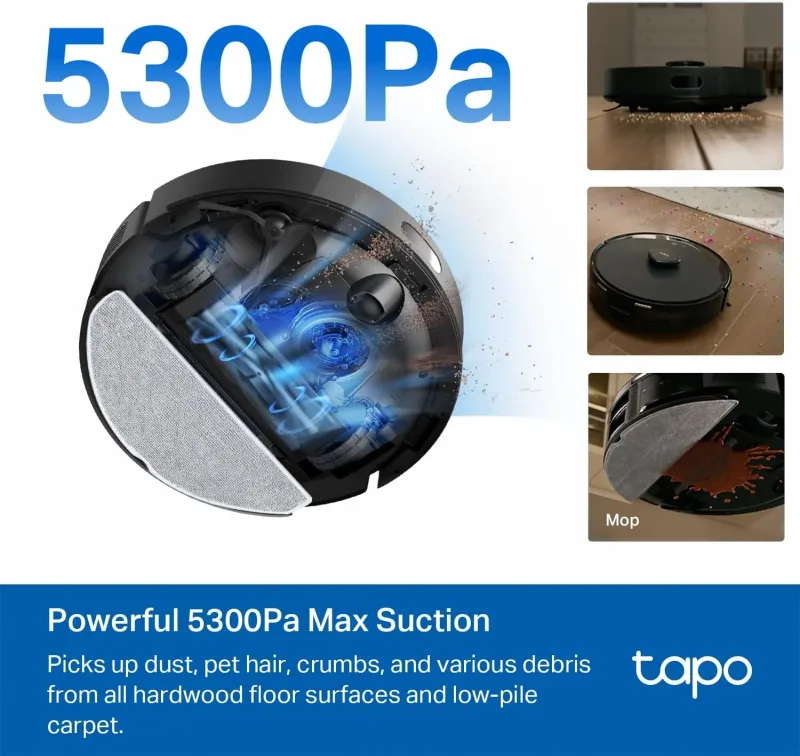
For floors, LiDAR navigation has made robot vacuums far more reliable. The MagSlim LiDAR Robot Vacuum & Mop, Tapo RV20 MAX maps rooms and vacuums and mops in one pass, while the MagSlim LiDAR Robot Vacuum & Mop with Auto-Empty Dock, Tapo RV20 MAX Plus adds a dock that empties the bin for you. Replacement parts are available separately if you want to keep it running long term.
5. Mesh Wi-Fi: The Backbone of Everything
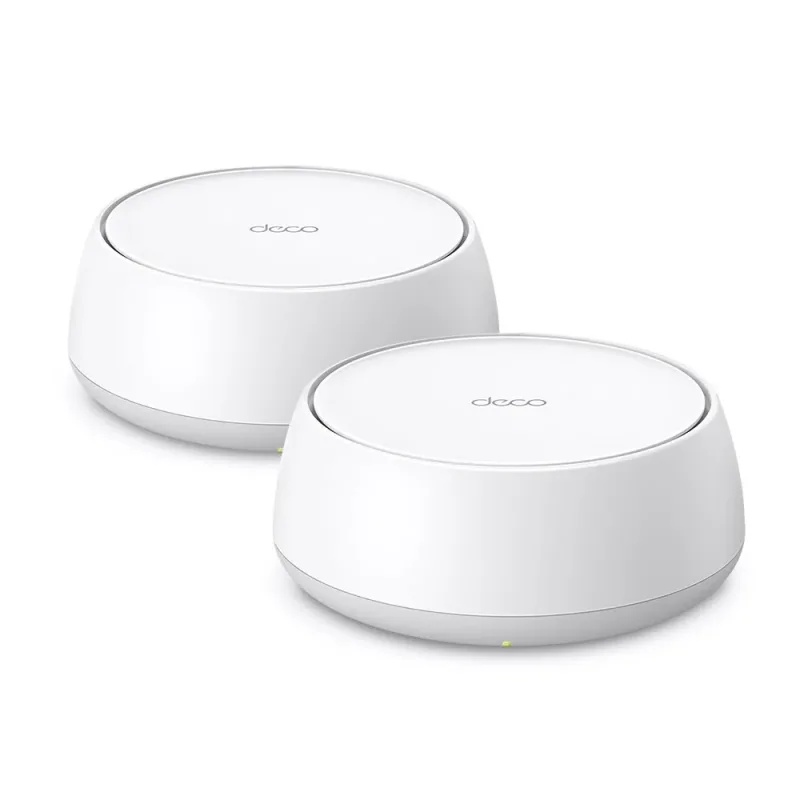
Every camera, sensor, and plug depends on your network. A single router often struggles once you add a dozen devices, especially through exterior walls. A mesh system such as the Deco 7 BE3600 Dual-Band Wi-Fi 7 Mesh System, Deco BE23 2-Pack spreads strong coverage across the whole home, so outdoor cameras stay connected at the far end of the garden.
Where to Start
If you are building from scratch, begin with one indoor camera and a video doorbell, then add a hub and sensors for the rooms that matter. From there, expand outward with solar cameras, smart lighting, and a mesh network to hold it all together. Buy in stages, test each addition, and you will end up with a system that is genuinely useful rather than just a collection of gadgets.